
October is Cybersecurity Awareness Month, and with online bank fraud attempts on the rise and phishing attacks evolving all the time, Bank of St Francisville has its customers’ backs. Fortunately, some of the most effective ways to keep yourself (and your accounts) safe online are free, easy to set up, and available to every account holder. Learning how to identify legitimate fraud alerts versus scam alerts, and enabling multi-factor authentication across all of your online accounts are two practices that help make all online activity more secure. To help customers stay one step ahead of online scammers, BSF will host a free “Lunch & Learn” cybersecurity program during October. All are welcome to attend.
Multi-Factor Authentication - Your Best First Line of Defense
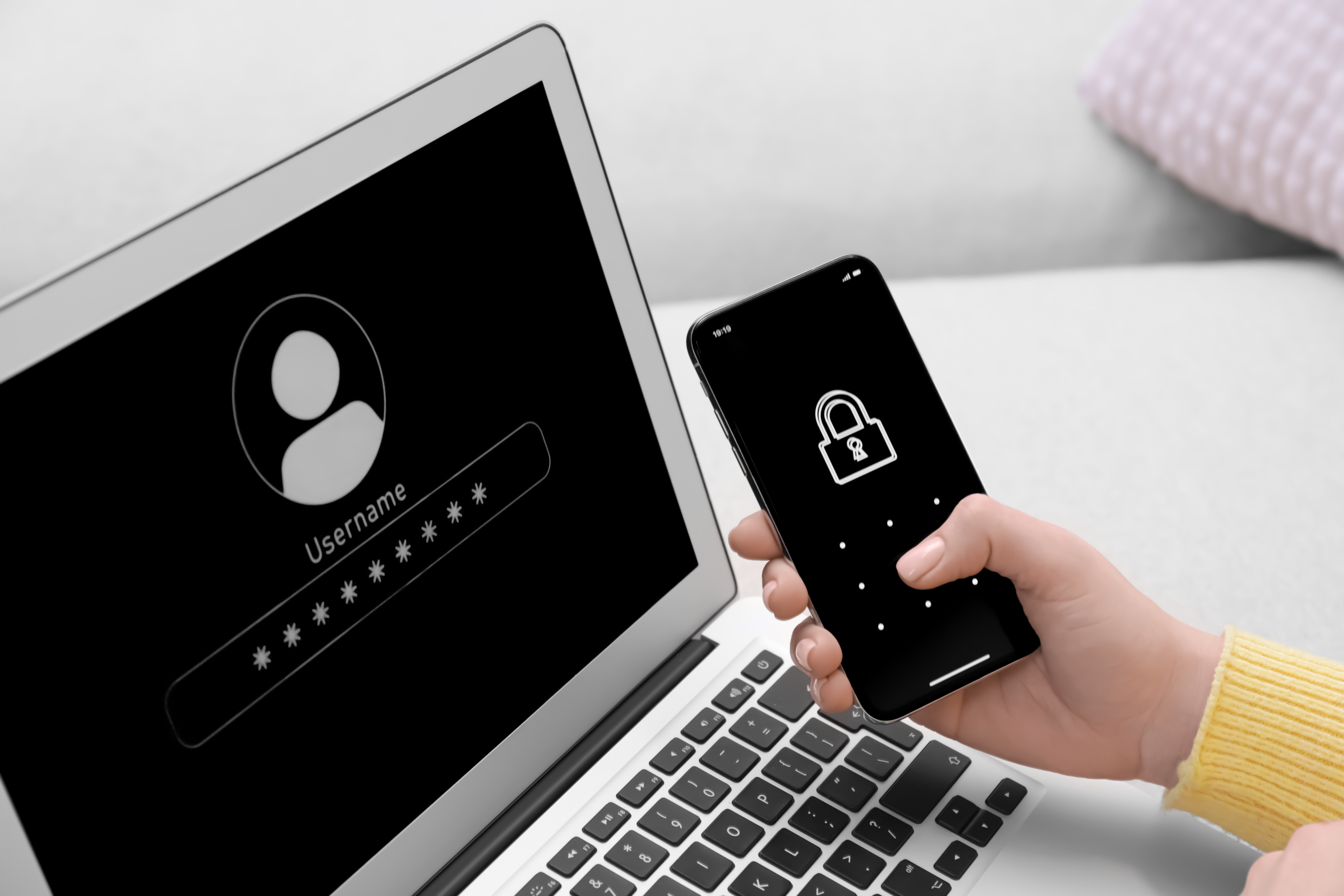
“Multi-factor authentication is the best thing you can do,” said Erica Stokes, BSF’s Enterprise Security Officer. Multi-factor authentication (MFA) or two-factor authentication (2FA) as it’s sometimes known, is an electronic authentication method that only permits access to a website or app after two or more different kinds of identification are provided. One common 2FA technique confirms a user’s identity by the combination of a password and a cell phone number. In addition to correctly entering your password, you might also be asked to confirm the cell phone number you have registered with the bank. When you attempt to log in, the system will send an authentication code to your cell phone. When your phone receives the code, you enter it at the website to authenticate your identity.
“Every security step that you can add beyond a password, adds an additional layer of protection,” explained Erica. “Think of it as a multiplier. When you want to secure your home for the evening, you're going to lock your door. That's like your password. But when you’re also locking the deadbolt, that's two-factor authentication. It provides an extra layer of security.”
Bank Fraud Alerts—Real vs Fake
It’s important to know how to recognize the differences between a legitimate bank fraud alert and one that is suspicious. “Legitimate fraud alerts are designed to protect customers, not pressure them into immediate action,” Erica explained. “A legitimate fraud alert will come in the form of a text from the number #869-75, and will ask you to confirm whether you recognize a suspicious transaction by texting back ‘yes,’ or ‘no.’ You’ll then receive a follow-up phone call if the transaction in question is illegitimate or not a recognized transaction. If it is a good or legitimate transaction, responding ‘yes’ to this text gets you a ‘Thank you for confirming the transaction,’ and no follow-up is necessary.” If you’re ever in doubt as to whether a text message or phone call purporting to be from BSF is legitimate, Erica recommends discontinuing the form of contact, and calling the bank directly at (225) 635-6397. Never click links, open attachments, or call numbers directly from any text or email that comes from an unknown number.
Recognize the Red Flags
A good way to avoid falling for a scam alert is to understand how banks verify customer identity. “Banks use a combination of information that should already be known by the customer,” Erica explained. “This verification information might include security questions, confirming recent account activity, validating contact information, security codes or utilizing established authentication procedures prior to discussing account details. The bank will never call and ask you for your password, security information or PINs. This is a significant red flag.”
Lunch & Learn: “Building Good Cyber Hygiene”
All are invited to register for BSF’s upcoming Lunch & Learn program “Building Good Cyber Hygiene - Protecting Yourself, Your Business, and Your Customers,” which begins at noon on Wednesday, October 21, Erica Stokes will introduce common types of fraud and phishing attacks, and teach methods for keeping yourself safe online. “We want to answer your questions,” Erica said. “There’s no such thing as a stupid question. You don't know what you don't know, and technology is changing so rapidly—especially right now with AI.”
To register for the Lunch and Learn, click Here.
* More information about protecting yourself while navigating a fast-changing digital landscape is at bsf.net/fraud-prevention-new.

