
As a banker, what one piece of advice would you give to new graduates as they go out into the working world?
For graduating high school and college seniors, May brings not only the beginning of summer vacation but also the looming reality of life after graduation. In a tumultuous economic climate, making sound financial decisions might feel daunting. What does true financial stability even look like these days? Is it even possible when you’re starting from scratch, fresh from the classroom, and not making much money?
According to area financial professionals, the answer is an emphatic “yes!” No matter the economic ups and downs, and the changes affecting the employment landscape, the core principles of building a secure financial life—living within your means, starting to invest early, planning for a rainy day—still apply. So, as a crop of new graduates embarks upon their careers, we asked some (relatively) recent graduates on the Bank of St. Francisville’s team what advice they would give to young adults looking to build a solid financial future. After all, they’ve been there themselves.
“Building personal net worth should start as soon as you earn your first dollar,” says Commercial Loan Officer Jake Vascocu. “Having a financial plan and goals might sound daunting, but it is never too early to start saving, investing, and planning.”

“Write It Down”
Shannon Felder, a Loan Documentation Specialist Officer, offers some concrete suggestions, such as using the Credit Karma app to stay up-to-date with your credit score and receive alerts if your identity gets stolen. But Shannon also advises new grads not to rely on apps and automated services to do things like identifying and nixing unwanted subscriptions too much. It’s better to balance your checkbook and credit card statement manually, she says, and to write out your budget each month, too.
“Know how you spend your money,” Shannon says. “Write it down, put pen to paper. Once you see how you spend your money, you can figure out what your budget needs to be. Get your income and your bills written down, then whatever is left is your spending. That way, you can actually understand where your money is going. Once you have an understanding, you can make a realistic budget that you can live by.”
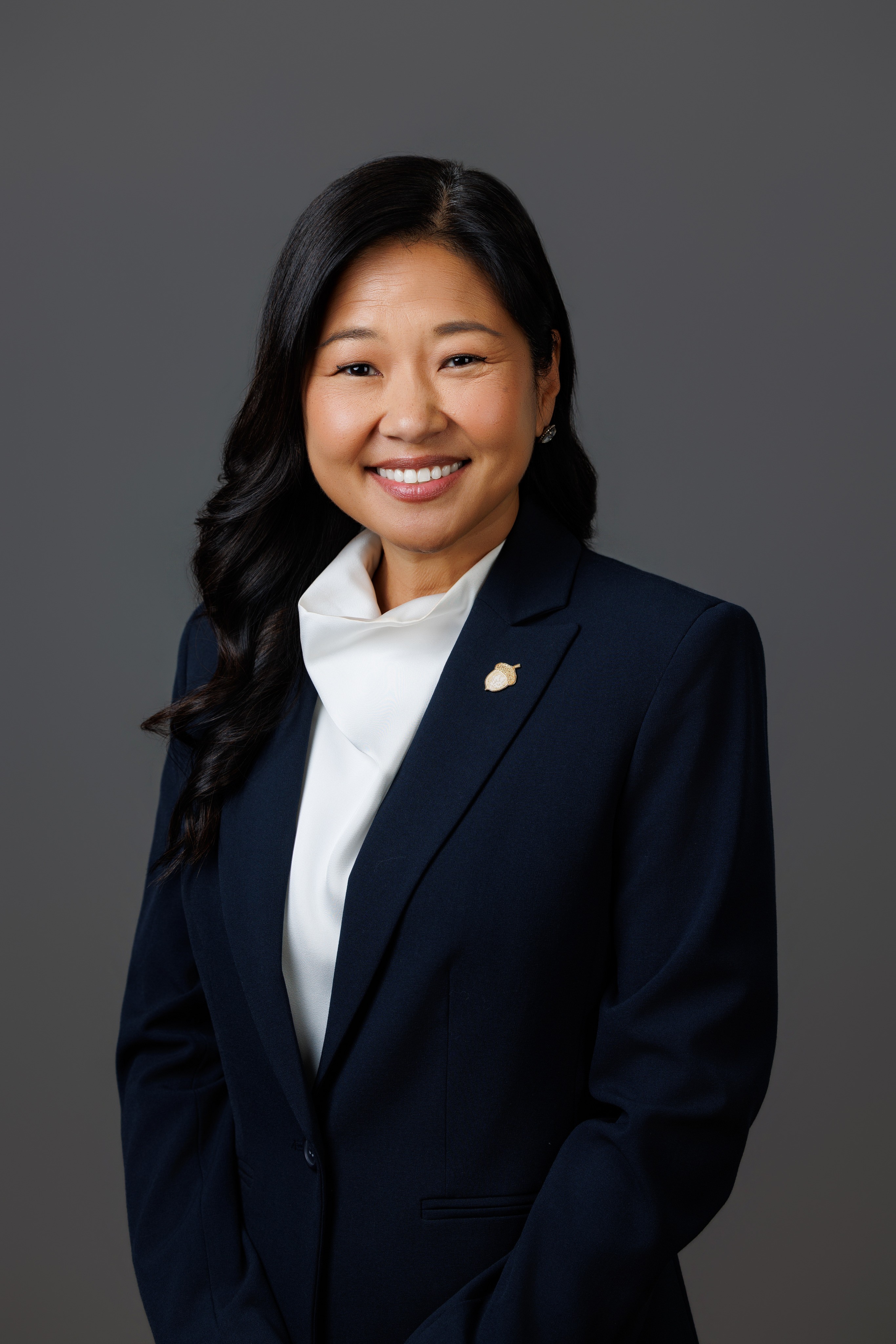
“Good Credit Is Hard to BUILD”
“One financial tip I wish I had known when I graduated is how important it is to build and protect your credit,” said Whitney Boyd, VP and Retail Banking Officer. “Good credit doesn’t happen overnight—it comes from consistent, responsible choices. Avoid unnecessary spending, live within your means, and make sure you set aside money for unexpected expenses.”

“Live Beneath Your Means”
Diyanna Winn, a teller, has developed a simple-but-powerful list of money management rules that make good sense regardless of your age or income level. They include:
• Spend less than you earn.
• Save first, not last.Saving 20%+ of each paycheck right when you get paid is a great goal.
• Build an emergency fund.You’ll need it eventually.
• Avoid debt. Especially high-interestdebt. Rule #1 is to pay off your credit card balance each and every month.
• Keep recurring expenses low.Buy a used car, settle for cheaper rent, mow your own lawn.
• Start investing early. Ifyou were to save just $100 a month into a Roth IRA, after 30 years ofhistorically average returns, your investment would have grown to more than$200,000. That’s the power of compound interest.
Above all, Diyanna advises new graduates to be consistent. “Starting your career is one of the most important financial turning points you’ll have in life,” she says.“ The habits you build in your first few years tend to stick—so, getting a few key things right early can put you far ahead in the long term.”
To learn more about making sound financial decisions when launching your career, visit here.

